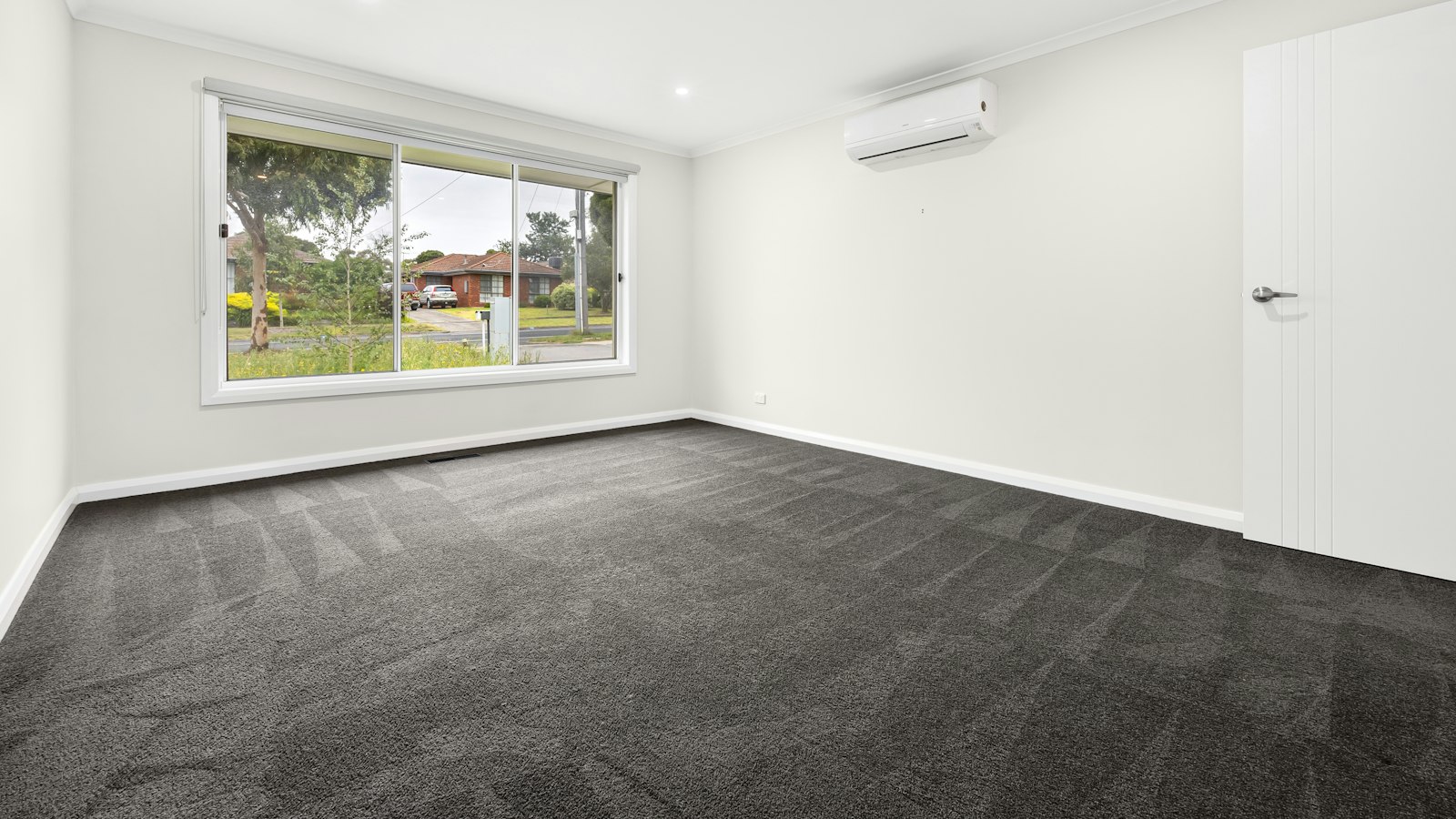
Carpet Buying Guide: Density, Face Weight, Twist & Pile Height Explained
Face weight, density, twist and pile height decide how carpet wears. Learn the CRI density formula, why a heavier sample can be the weaker one, and how to compare two carpets at the same price before you buy.
This carpet buying guide is about the small print on the back of a sample: face weight, density, twist and pile height. Those four numbers predict how a carpet will look after years of foot traffic better than color, price or how soft it feels under your hand.
In the Castle Rock showroom at Colorado Carpet & Flooring, we watch Front Range shoppers compare two samples at the same price and pick the fluffier one almost every time. Here's how we read the label instead.
Pick the Fiber First, Then Read the Label
Fiber decides how the yarn behaves and style decides how the surface looks: nylon, polyester, triexta and wool each trade durability against softness and stain resistance, while plush, frieze, loop and cut-loop each wear differently. Our carpet fiber and style ratings lay that out side by side; use the specs below to judge the individual sample.
Face Weight: Ounces of Yarn, Not a Quality Score
Face weight is the ounces of yarn per square yard above the backing. It's the number salespeople quote first, and the easiest to inflate: making the pile taller raises face weight without packing the tufts any closer.
For reference, most new-construction carpet runs 20 to 25 oz on a thin 4 to 6 lb pad, and quality residential carpet starts around 35 oz, as we cover in our builder-grade flooring upgrade guide. Face weight tells you how much yarn you're buying, not how it's arranged.
Fold a cut pile sample back on itself so the backing shows. Lots of visible backing between tufts means low density. Tufts with tight, crisp spirals mean higher twist; tips that already look frayed in the showroom won't improve in your hallway.
Carpet Density: The Number That Predicts Matting
Density is how tightly the yarn is packed. The Carpet and Rug Institute's bulletin on average pile yarn density gives the formula as D = 36 x W / T: pile yarn weight in ounces per square yard, times 36, divided by pile thickness in inches. Dense tufts lean on each other and resist crushing; loose tufts, even heavy ones, fold over and mat.
Why Pile Height Changes the Math
| Face Weight | Pile Height | Calculated Density |
|---|---|---|
| 32 oz | 0.50 in | 2,304 |
| 40 oz | 0.50 in | 2,880 |
| 40 oz | 0.75 in | 1,920 |
| 45 oz | 0.875 in | about 1,851 |
These are worked examples, not product listings. The 45 oz carpet comes out less dense than the 32 oz one; that's the trap. Use the pile height printed on the spec sheet, because the CRI bulletin warns a ruler is only a rough check. You may also see "weighted density" in sales material. It isn't the figure the CRI uses, so we compare plain density at similar pile heights.
Twist Level: How the Yarn Holds Its Shape
Twist is how tightly the yarn is turned along its length. The CRI's guide to selecting the right carpet says cut pile gets its durability from fiber, tuft density and twist, and that "highly twisted yarn holds its shape longer." Loose twist opens up at the tips, which is what makes a traffic lane look fuzzy and flat.
Pile height ties it together. Taller pile feels softer but spreads the same yarn thinner, so in our experience lower, denser pile is safer anywhere people walk the same path daily, and taller pile fits bedrooms.
Good, Better, Best: Our Carpet Buying Guide Spec Table
Face weight and pad rows use figures published on our site. Density and twist are relative tiers from our installation experience, since we can't point to industry residential cutoffs.
| Spec | Good | Better | Best |
|---|---|---|---|
| Face weight | 20 to 25 oz (builder-grade) | 35 oz and up | 40+ oz nylon or triexta |
| Density | Lowest of your samples at that pile height | Middle of the pack | Highest at your chosen pile height |
| Twist | Loose, tips opening | Tight, defined spirals | Tightest offered in that style |
| Pad | 4 to 6 lb rebond | 6 lb minimum for cut pile | 8 lb rebond at 7/16 in |
Our carpet padding guide covers pad density minimums, thickness caps and the warranty rules tied to them.
Two Samples, Same Price, Opposite Answers
Sample A is 45 oz with a 7/8 inch pile and feels luxurious. Sample B is 35 oz with a 1/2 inch pile and feels firmer. Face weight says A. The formula puts B near 2,520 and A near 1,851. For a hallway, B is the better carpet; for a guest room used a few nights a month, A is fine. The room decides.
Decision Matrix: Comparing Two Carpet Samples
- If both share a fiber and pile height, then higher face weight usually wins.
- If pile heights differ, then calculate density and trust it over face weight.
- If densities are close, then pick the tighter twist.
- If the room is a traffic lane, then favor density and twist over softness.
- If the price gap buys a better pad instead of heavier yarn, then take the pad.
Lifespan and high-traffic picks get their own posts soon; the short version is that construction plus pad drives most of both. Wide rooms add seams, covered in how installers hide carpet seams.
Compare Samples With Our Castle Rock Team
Bring the two samples you're stuck between and we'll run the numbers with you, or let us bring options to you through our free shop-at-home service. When you're ready, contact our Castle Rock showroom to set a time.

Adam Clements
Owner, Colorado Carpet & Flooring
Adam Clements owns Colorado Carpet & Flooring, the family-owned Castle Rock flooring store that has served the Front Range since 2008 and completed more than 15,000 homes. His team's focus here: carpet selection and installation, including reading construction specs, pad specification and seam planning. The crew is factory-trained and certified by Shaw, Mohawk and COREtec, licensed and insured, and every installation is backed by a 1-year labor warranty. Meet the team.