How to Choose Flooring Color for Your Walls, Cabinets & Light
A practical method for how to choose flooring color: read undertones, set light-or-dark contrast with walls and cabinets, see how north- and south-facing Colorado light shifts a sample, and test samples at home before you buy.
Learning how to choose flooring color starts with one idea: the floor is the largest color surface in the room, so it sets the temperature of everything above it. Walls, cabinets and furniture all read warmer or cooler depending on what's underfoot, and in Front Range homes, the strong sun coming through the windows changes that reading by the hour.
At Colorado Carpet & Flooring, we walk Castle Rock and Denver metro homeowners through color in a set order: undertone, contrast, light, then testing. Here's that method.
Read the Undertone Before You Judge the Color
Two "medium brown" planks can look nothing alike once they're down, because the undertone, the color sitting under the surface tone, does the talking. Lay a sample next to a sheet of plain white printer paper and the undertone shows up fast.
- Warm (yellow, orange, red): honey oak, hickory, cherry-toned stains. Feels cozy; pairs with cream, warm white and earthy greens.
- Cool (gray, blue, ash): gray-washed and weathered looks. Reads crisp, modern and sometimes cold in north light.
- Neutral (balanced beige, natural tan): natural white oak and many mid-tone LVPs. The easiest to live with across rooms.
Species sets the starting undertone in real wood: walnut runs dark and chocolate, maple pale and creamy, hickory high-contrast. Compare them on our hardwood flooring page, and know that wood-look plank in our luxury vinyl collection comes in all three undertone families.
The rule of thumb we use is to let floor and wall undertones agree, then create interest through contrast in value (light versus dark) rather than fighting undertones. A pink-leaning red oak under a gray-blue wall is the classic pairing that feels off without an obvious reason.
Decision Matrix: Light or Dark Flooring?
| If... | Then... |
|---|---|
| The room is small or gets little daylight | Go light to mid-tone so the space doesn't shrink |
| Walls and cabinets are light | Choose a floor at least two shades darker for definition |
| You have a light-coated dog or lots of foot traffic | Pick a mid-tone with visible grain, which hides dust and hair |
| You want drama in a big, bright great room | Dark espresso or charcoal can work, in a matte or satin sheen |
| The floor runs through several rooms | Stay in the neutral, mid-tone family so every wall color has a partner |
Dark floors show dust, crumbs and scratches more than any other choice, and higher sheen magnifies the problem. Sheen and texture are a separate decision that we cover in our guide to hardwood finishes and textures.
How Lighting Affects Floor Color in a Colorado Home
Window direction changes a sample more than most people expect.
| Room faces | Light quality | What it does to a floor | Color move |
|---|---|---|---|
| North | Cool, indirect, steady | Mutes warmth; grays look colder | Lean warmer than you think |
| South | Strong and bright most of the day | Washes out light tones; exaggerates orange | Lean neutral; avoid very yellow stains |
| East | Warm morning, cooler afternoon | Shifts noticeably through the day | Test at 8am and 4pm |
| West | Golden, intense late afternoon | Amplifies red and orange undertones | Lean neutral or slightly cool |
Altitude is part of the story. The EPA's Guide to the UV Index says UV increases about 2% for every 1,000 feet of altitude, and Castle Rock sits around 6,200 feet. Over a couple of years that sun can lighten or shift the color of a floor near south and west windows, so the color you buy isn't quite the color you'll have. Oil-modified finishes also amber slightly over time.
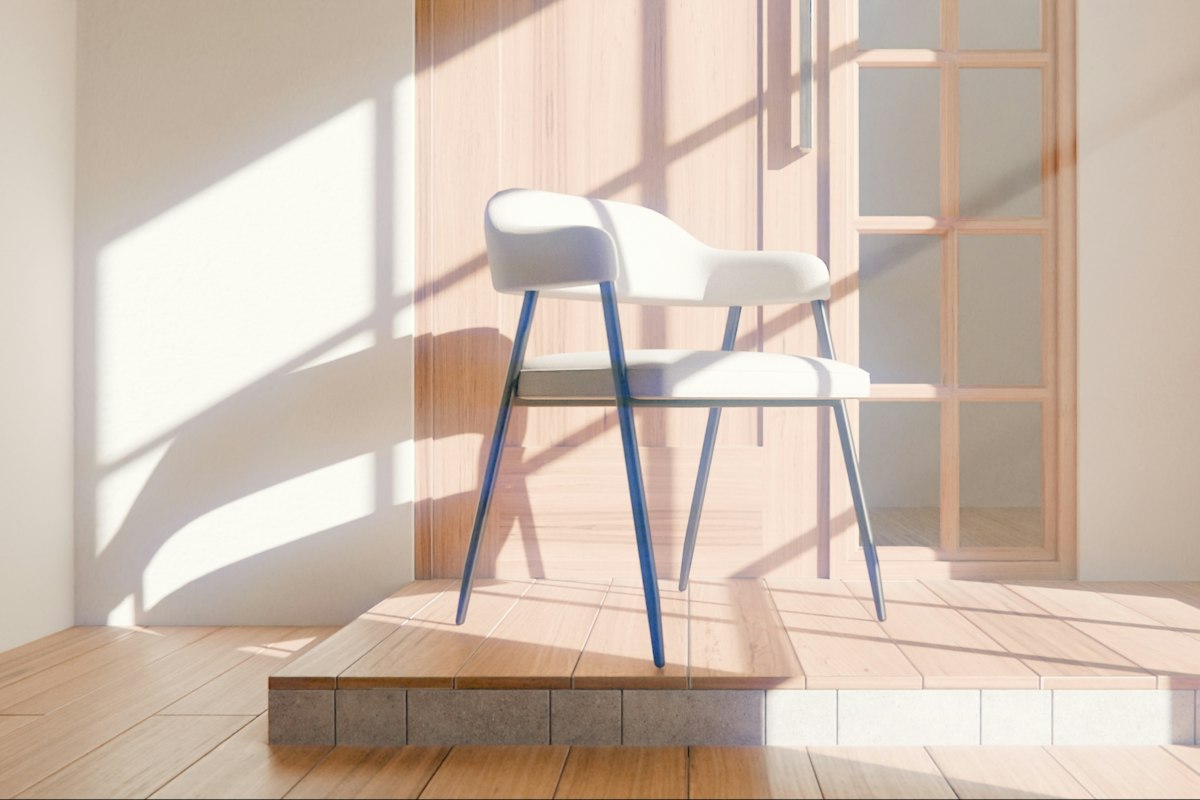
Artificial light matters too. Check the color temperature on your bulbs: a 2700K bulb reads warm and yellow, while 4000K and up reads cooler and whiter, and the same plank will shift with it.
How to Test Flooring Samples at Home
- Get big samples. A 2-inch chip lies. Ask for full planks or large boards, and at least three options.
- Put them on the floor, not the wall. You see floors at an angle from standing height, and that angle changes sheen and color.
- Test against your fixed elements. Set samples next to a cabinet door, the countertop and a painted wall.
- Look three times a day. Morning, midday and evening with lights on.
- Live with them for 48 hours. First impressions favor the boldest sample; the right one usually wins on day two.
The fastest way to do this is to have samples brought to you. With our free shop-at-home service, consultants typically bring 100 to 200 samples so you see them in your own lighting.
The Sample That Changed Color on the Drive Home
Here's a scenario we plan around: a homeowner loves a warm honey plank under the showroom's lighting, then it reads almost orange next to their west-facing windows. The fix isn't starting over. Step one shade toward neutral within the same family, keep the grain they liked, and confirm the choice in the actual room at 5pm, when that west light is strongest.
Walls, Cabinets and the Rest of the House
Cabinets are the biggest fixed color in a kitchen, so they get a vote. With white cabinets, almost any wood tone works, and the real decision is how much contrast you want; we cover those pairings in an upcoming white-cabinet post. Whole-house continuity, meaning how one color carries from room to room, also gets its own guide soon. For what's current, our 2026 flooring trends roundup notes that cool grays are out and honey, caramel and warm walnut tones are back.
Get a Second Set of Eyes on Your Floor Color
A free flooring design consultation takes 30 to 60 minutes at our showroom or 45 to 90 minutes in your home; bring photos of your cabinets, counters and wall colors. Contact our Castle Rock design team to book a time.

Adam Clements
Owner, Colorado Carpet & Flooring
Adam Clements owns Colorado Carpet & Flooring, the family-owned Castle Rock flooring store that has served the Front Range since 2008 and completed more than 15,000 homes. His team's focus here: flooring color and design selection, including undertone matching, sample testing in real home lighting and coordinating floors with cabinets and walls. The crew is factory-trained and certified by Shaw, Mohawk and COREtec, licensed and insured, and every installation is backed by a 1-year labor warranty. Meet the team.