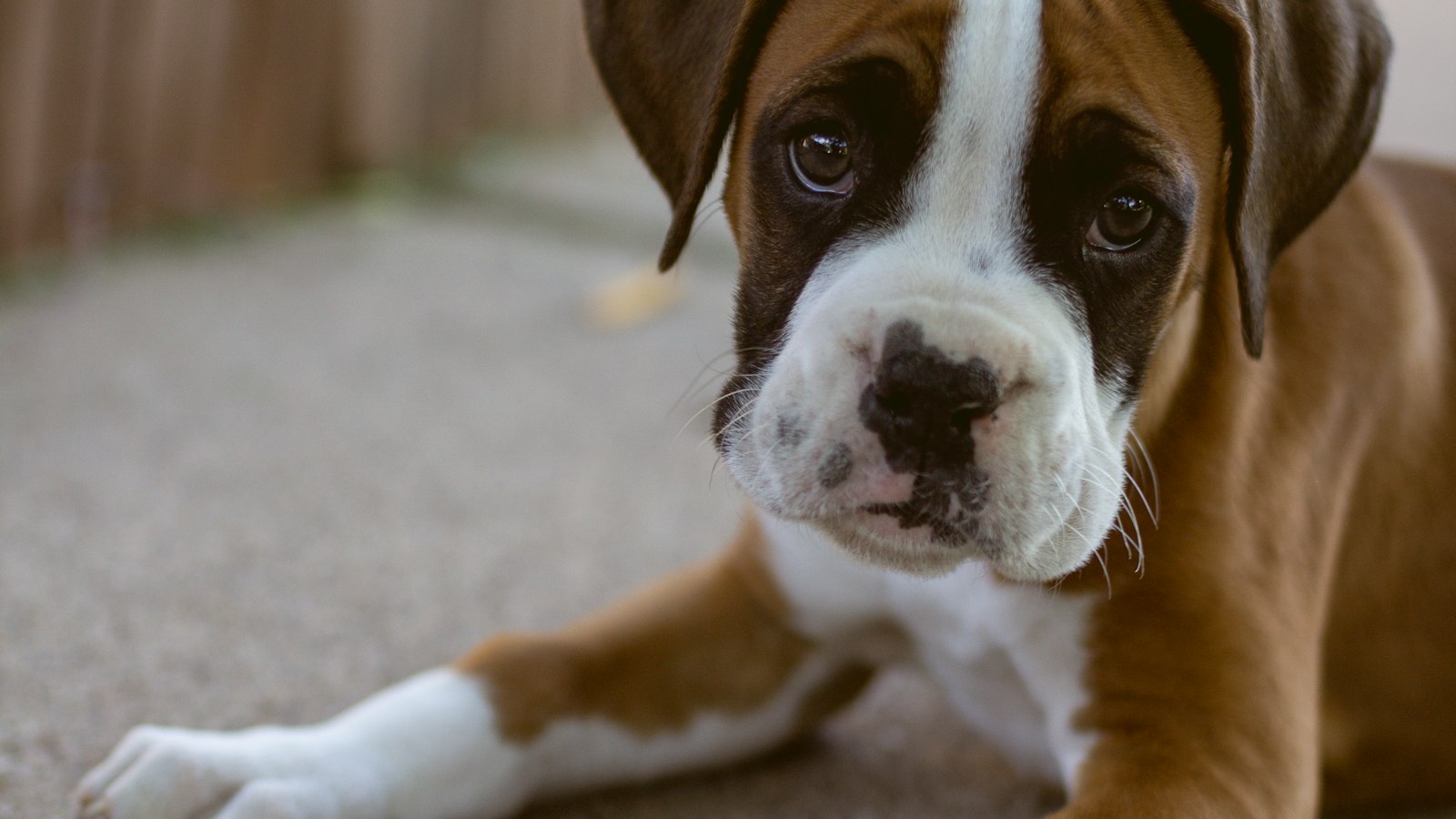
How to Get Dog Urine Out of Carpet (and Keep It from Coming Back)
Fresh-spot steps, old-stain methods and the reason pet urine odor keeps coming back. Learn why heat sets the smell, when the pad is the real problem, and when pad or subfloor repair beats another round of cleaning.
If you're figuring out how to get dog urine out of carpet, odds are the spot looked clean yesterday and smells again today. That isn't you doing it wrong. The visible stain is the top layer of the problem; the odor usually lives underneath, in the pad and sometimes the subfloor.
We pull up a lot of pet-damaged carpet across Castle Rock and the south Denver metro at Colorado Carpet & Flooring, so this is the practical version: what works on a fresh spot, what's realistic for an old one, and when no cleaner is going to fix it.
How to Get Dog Urine Out of Carpet While It's Fresh
Speed matters more than product. Our pet-friendly flooring guide recommends cleaning accidents within 30 minutes, and every minute you wait gives the liquid time to sink.
- Blot, don't scrub. Press white paper towels or a white cloth into the spot and stand on them. Scrubbing and brushes damage the pile and spread the urine sideways.
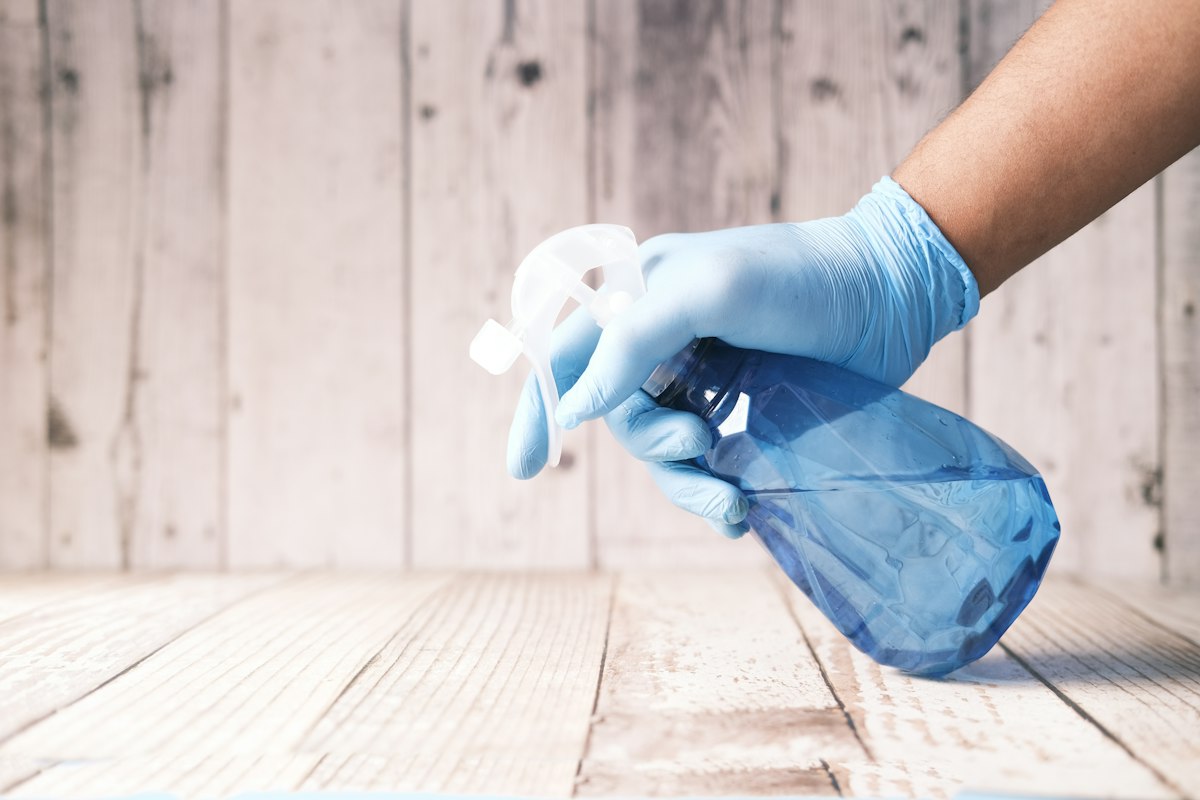
- Extract and rinse cool. If you own a wet vac, pull up what you can, rinse with cool water and extract again.
- Apply an enzyme cleaner made for pet urine. Use enough to reach as deep as the urine went, and leave it for the full dwell time on the label.
- Blot and dry. Blot out the excess and let air move over the spot until it's completely dry.
- Note your warranty's cleaning rules. Many carpet warranties specify allowed methods and products, so read yours before the next accident.
Skip the steam cleaner on urine. The Carpet and Rug Institute's cleaning and maintenance guidance says plainly: "Don't use a steam cleaner when dealing with urine spots because the heat will set the stain and the smell." It recommends extracting with a wet vacuum and rinsing with cool water instead.
Why the Smell Comes Back
Carpet is a layered system. Urine passes through the face fibers and backing, then into the pad, which holds liquid like a sponge. A large or repeated accident can reach the subfloor. Unless the carpet or pad has a moisture barrier, nothing stops it on the way down, and nothing you spray from above reaches all of it.
| Layer | What You Notice | Realistic Fix |
|---|---|---|
| Carpet face | Visible spot, odor up close | Blot, extract, enzyme cleaner |
| Carpet backing | Stain reappears after the spot dries | Deeper treatment or professional extraction |
| Pad | Odor returns after cleaning; spot feels stiff from below | Cut out and replace that section of pad |
| Subfloor | Odor survives a pad replacement; wood looks dark | Clean and seal, or replace damaged wood |
We also see dogs return to the same spot when any scent remains, which is one more reason a surface-only clean tends to fail.
How to Remove Old Pet Urine Stains From Carpet
Old stains are harder, so be candid with yourself about the goal. Odor is often fixable; color sometimes isn't. Some old spots leave a permanent change in the carpet's color even after the smell is gone.
For an old spot, treat it like a fresh one but go deeper: saturate the area with enzyme cleaner so it reaches the same depth the urine did, give it the full label time, then extract with cool water. No heat. If home treatment doesn't work, the CRI suggests calling a certified carpet cleaning firm that handles pet stains and odors. If professional extraction can't get it, the source is almost always below the carpet.
The Carpet Looks Clean but the Room Still Smells
This is the call we get most. The homeowner has cleaned the same spot a dozen times, and it looks perfect. The fix is to lift the carpet at the nearest wall, look at the pad, and cut out the contaminated section. If the subfloor underneath is stained, it gets treated or replaced before new pad goes down. Then the carpet is stretched back into place. It's more work than a cleaner, but it ends the cycle instead of masking it.
Decision Matrix: Clean, Replace the Pad, or Go Deeper
| If... | Then... |
|---|---|
| The accident is fresh and caught quickly | Use the five steps above |
| The stain comes back after drying | Repeat with longer dwell time, then try professional extraction |
| Odor returns after professional cleaning | Replace the pad in that area |
| Odor survives new pad, or the wood is dark or soft | Treat or replace the subfloor section |
| Accidents are spread across the whole room | Plan new carpet and pad rather than patching spot by spot |
Keep It From Coming Back
If you're replacing pad or carpet in a pet household, prevention starts below the surface:
- Pad: our carpet padding guide explains moisture-barrier pads, which keep liquid on top where you can clean it.
- Carpet: for a line built with pets in mind, ask us about Shaw's Pet Perfect carpet.
- Other spills: wine and gravy are covered in our holiday stain guide, and our flooring maintenance guide covers routine carpet care.
Talk Through Pet Damage With Our Castle Rock Team
If the smell has outlasted every cleaner, we can look at the pad and subfloor and tell you whether a section repair or new carpet makes more sense. Book a free in-home measurement or reach our Castle Rock showroom to talk it through.

Adam Clements
Owner, Colorado Carpet & Flooring
Adam Clements owns Colorado Carpet & Flooring, the family-owned Castle Rock flooring store that has served the Front Range since 2008 and completed more than 15,000 homes. His team's focus here: carpet and pad replacement in pet households, including moisture-barrier pad selection and section repairs. The crew is factory-trained and certified by Shaw, Mohawk and COREtec, licensed and insured, and every installation is backed by a 1-year labor warranty. Meet the team.