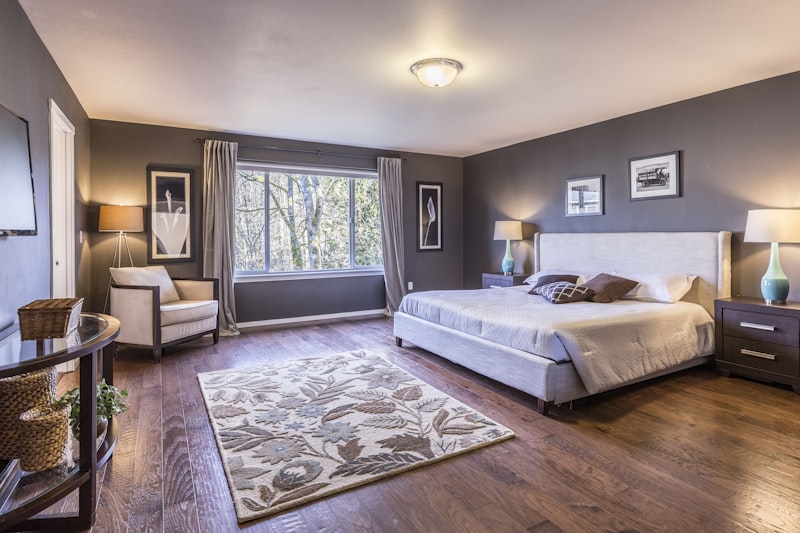
Wide-Plank Hardwood Flooring in Colorado: What to Know
Wide plank looks incredible and moves more with humidity. Why engineered wide plank is usually the stable choice in Colorado's dry winters, plus the subfloor and install requirements that keep boards tight.
Wide-plank hardwood is the look most homeowners point to when they walk into my Castle Rock showroom. Fewer seams, longer sightlines, and a surface that reads as either clean and modern or rustic and hand-scraped depending on the species and finish. I install a lot of it across Douglas County, and I want people to have it. The part that gets skipped in the glossy catalogs is simple physics: a wider board is a bigger piece of wood, and a bigger piece of wood moves more when the air around it changes. In Colorado, the air changes a lot. This guide covers what wide plank actually is, why the width you love creates a stability question at 6,000 feet, and how I steer most of these projects toward engineered construction and a tighter install spec so the floor still looks right in February.
What Counts As Wide Plank
Traditional strip flooring runs 2.25 to 3.25 inches across the face. Anything from about 5 inches up is what the trade calls wide plank, and the boards homeowners fall in love with today are often 7 to 9 inches, sometimes wider. The appeal is real. A 7.5-inch board shows off the grain and the character of the species in a way a narrow strip cannot, and it puts far fewer seam lines in the room, which makes an open main level feel larger and calmer. The catch is that every inch of added width is added surface area for the wood to gain and lose moisture, and that is where our climate enters the conversation.
Why Width And Colorado Humidity Fight Each Other
Wood moves across its width, not its length. That movement is proportional to how wide the board is. A 3-inch strip that shrinks a small percentage in dry air opens a gap you can barely see. A 7.5-inch board shrinking that same percentage opens a gap more than twice as wide at every seam. Front Range homes sit above 6,000 feet, and a heated home here drops to 12 to 20 percent indoor relative humidity through January and February. Come August, after monsoon moisture and a closed-up house, the same rooms can climb past 45 percent. That seasonal swing is larger than anything the wood experienced at the mill or the distributor, and the wider the plank, the more visible the seasonal gapping becomes in winter and the more expansion pressure builds in summer. This is not a defect. It is what solid wood does. The job is choosing a product and an install method that keep that movement inside a range you will not notice.
Solid Vs Engineered Wide Plank
Solid wide plank is one continuous piece of wood, so it moves the full amount its width and species dictate. In our dry winters, a solid 7-inch or 8-inch board will often show seasonal gapping between planks that closes back up in summer. Some homeowners accept that as the character of a real wood floor, and in a home with a whole-house humidifier holding steady RH, solid wide plank can perform. Engineered wide plank is built differently. A hardwood wear layer sits over a cross-laid plywood or HDF core, and that cross-grain construction fights the seasonal movement. The result is a board that can carry an 8-inch or 9-inch face and stay far more stable through a Colorado year. For wide boards specifically, this is why I recommend engineered construction on the large majority of projects here. The look is identical from above, and the floor behaves. Our engineered vs solid hardwood guide walks through how each type handles our humidity in more depth.
Plank Width, Movement, And What I Recommend
The table below is the shorthand I use on a walkthrough. It maps face width to the seasonal movement risk I expect at our altitude, the construction I recommend, the install method that fits, and the subfloor flatness the wider boards demand.
| Face Width | Seasonal Movement Risk (CO) | Recommended Construction | Install Method | Subfloor Flatness |
|---|---|---|---|---|
| Under 3.25" (strip) | Low; gaps rarely visible | Solid or engineered | Nail-down over plywood | 3/16" over 10 ft |
| 3.25" to 5" | Low to moderate | Solid acceptable; engineered preferred | Nail-down or glue-down | 3/16" over 10 ft |
| 5" to 7" | Moderate; winter gapping likely on solid | Engineered recommended | Glue-assist nail or glue-down | 1/8" over 6 ft |
| 7" to 9" | High on solid; controlled on engineered | Engineered strongly recommended | Full glue-down (or glue-assist) | 1/8" over 6 ft |
| 9"+ (extra wide) | Very high on solid; engineered only advised | Engineered only | Full glue-down | 1/8" over 6 ft, verified |
The 7.5-Inch Solid Floor In The Meadows That Gapped To 2mm
A homeowner in The Meadows called me the winter after another company installed solid 7.5-inch white oak on their main level. By late January the seams between boards had opened to roughly 2mm in the coldest, driest rooms, wide enough to catch a fingernail. Nothing was defective. The boards had simply given up moisture as the heated house fell to about 15 percent RH, and at 7.5 inches of solid wood, that shrinkage showed. In summer the gaps mostly closed, which is exactly the seasonal cycle solid wide plank goes through here. I told them the truth: the floor was not installed wrong, it was specified wrong for our climate. If we had built the same look in an engineered 7.5-inch board glued down, the cross-layered core would have held the seasonal movement to a fraction of that, and the gaps would not have been the story every February. That home is the reason I push engineered so hard on wide boards.
Installing Wide Plank Takes A Flatter Subfloor
Wide boards are less forgiving of a wavy subfloor than narrow strips. A long, wide plank bridges dips instead of following them, and where it bridges a low spot you get hollow-sounding areas and, over time, movement at the joint. For wide plank I hold the subfloor to 1/8 inch over 6 feet rather than the looser 3/16 inch over 10 feet that works for strip flooring. Reaching that often means grinding high spots or troweling a cement-based leveler across the room before a single board goes down. The second requirement is bonding. On wide plank I lean toward glue-down or a glue-assist nail method, because the adhesive holds the full width of the board flat to the subfloor and takes cupping and gapping pressure off the seams. The third is acclimation and moisture testing. Wide boards need the tighter, longer acclimation I write about in our Colorado acclimation guide, and any glue-down over slab needs an in-situ moisture test to pass before install. Skip any of the three and the width that sold the floor becomes the width that shows every flaw.
Choosing Width And Construction By Room
Width is not only a stability decision, it is a room decision. Use this matrix to match the plank to where it is going, what it sits on, and whether the home holds steady humidity.
| Room / Condition | Width I Suggest | Construction & Key Requirement |
|---|---|---|
| Open main level, over slab | 7" to 9" | Engineered, full glue-down; moisture test the slab first |
| Basement, over slab | 5" to 7" | Engineered only; vapor management is non-negotiable |
| Upper floor, over plywood, no humidifier | 5" to 6" | Engineered, glue-assist nail; keeps winter gapping small |
| Home with whole-house humidifier held at 35% RH | Up to 7" | Solid becomes viable; still verify subfloor flatness |
| Extra-wide statement floor, 9"+ | 9"+ | Engineered only, glue-down, 1/8" over 6 ft flatness verified |
Wide-plank hardwood belongs in Colorado homes. I install it every month, and it can be the best-looking floor in the house. The difference between a floor you admire and a floor you fight is made before the first board is cut: pick engineered for the wide widths, flatten the subfloor to the tighter spec, glue it down, and give the wood the acclimation our climate demands. If you want to see how the widths and species feel underfoot, browse our hardwood flooring options, and when you are ready to talk through your rooms, subfloor, and humidity setup, I will walk it with you. You can compare full product lines on our hardwood page or request a free estimate to get started.

Adam Clements
Owner, Colorado Carpet & Flooring
Adam Clements has spent 27 years installing hardwood across Douglas County and the Denver metro, including hundreds of wide-plank floors where board width, subfloor flatness, and Colorado's dry winters all had to be reconciled before install. He founded Colorado Carpet & Flooring in Castle Rock and specializes in matching wide-plank construction to the real humidity conditions of each home.