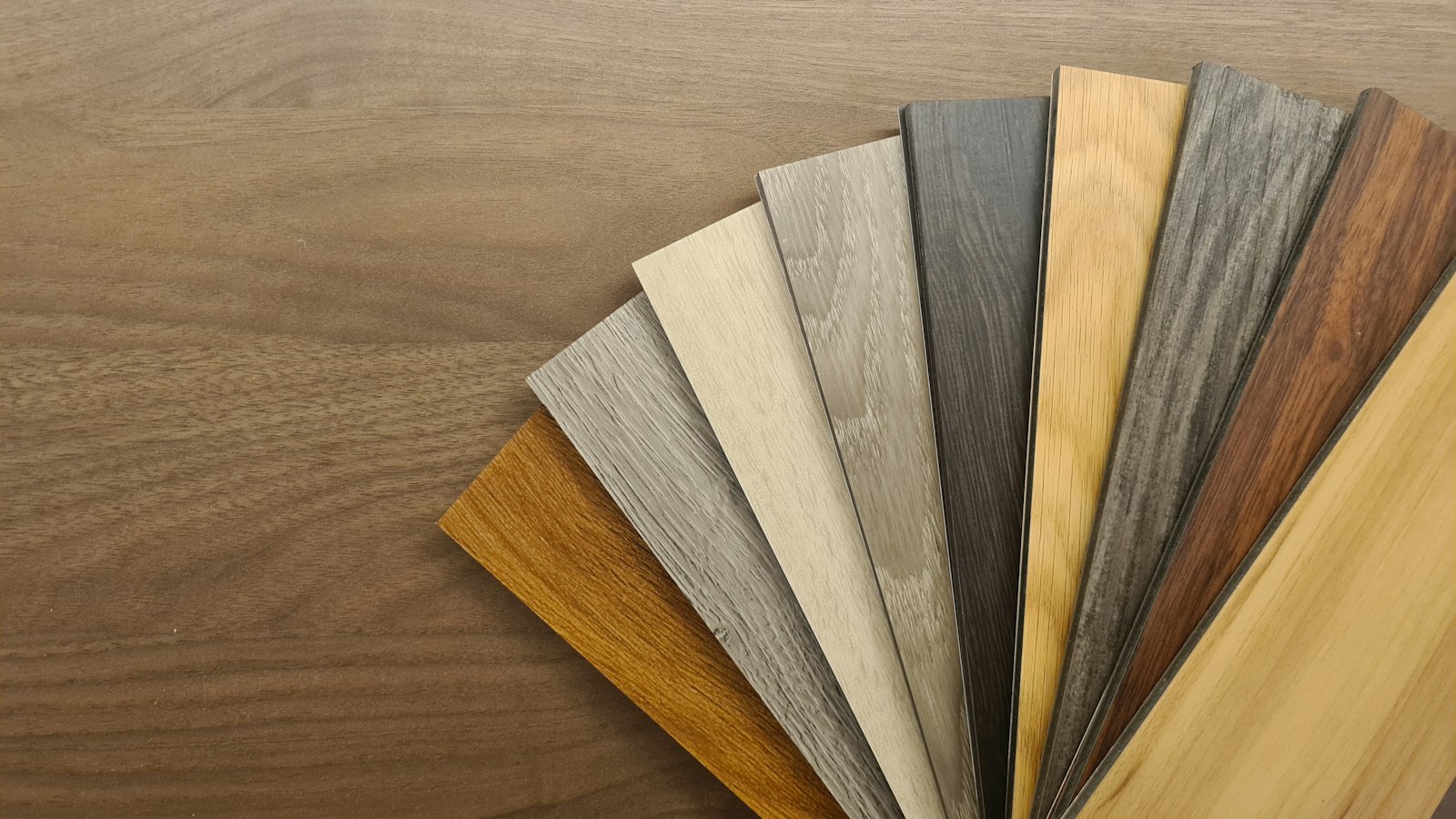
How to Choose Luxury Vinyl Plank: A Spec-by-Spec Buying Guide
A line-by-line guide to reading an LVP spec sheet: wear layer, SPC vs WPC core, total thickness, attached pad, plank size and warranty exclusions, with what each means in a Colorado home and a checklist for the showroom.
Knowing how to choose luxury vinyl plank comes down to one document most shoppers skip: the spec sheet. Its six key lines (wear layer, core, total thickness, attached pad, plank size and warranty) say more about how a floor will hold up in a Front Range home than the color or the price.
At Colorado Carpet & Flooring, we read these sheets with Denver metro homeowners every week. Here's what each line means in a house that swings from monsoon humidity to bone-dry January air.
Shortlist by Spec Before You Fall for a Sample
The common failure point is picking a look first, then learning it's a thin, flexible product that doesn't suit a basement slab or two big dogs. Narrow the field by spec, then pick the look from what survives.
For what LVP, LVT and rigid-core SPC are, see our luxury vinyl flooring page. This guide assumes you're holding a page of numbers.
| Spec line | What it measures | What we look for in a Colorado home |
|---|---|---|
| Wear layer | Clear top film, in mil (1 mil = 0.001 inch) | 20 mil or more for main floors, kids, pets |
| Core | SPC, WPC or flexible vinyl | Rigid core for slabs and basements |
| Total thickness | Plank depth in mm, sometimes with pad | Feel and transition height, not durability |
| Attached pad | Foam, EVA or IXPE on the back | Decides what goes underneath |
| Plank size | Width x length | Bigger planks show subfloor dips |
| Warranty | Terms and exclusions | The exclusions, not the headline years |
Wear Layer: The First Number We Check
Builder-grade vinyl plank typically carries a 6-12 mil wear layer, as we noted in our builder-grade flooring upgrade guide, while we steer most whole-home projects to 20 mil and up. Our wear-layer post compares 12, 20 and 28 mil; the short version is that it predicts scratch and scuff life better than any other line.
Core Type: SPC vs. WPC vs. Flexible LVP
The core decides how the floor handles dents, cold slabs and Colorado's humidity swings.
- SPC (stone polymer composite): a dense, rigid limestone core that our SPC and WPC waterproof flooring page describes as resisting dents and temperature changes. Our default for basements and slab main levels.
- WPC (wood polymer composite): a foam-like core that's warmer and quieter underfoot. Good for bedrooms and upper floors.
- Flexible LVP: no rigid core, usually glued down, so every subfloor bump telegraphs through.
Core type also drives the install method; our breakdown of floating, glue-down and loose-lay LVP installation covers those trade-offs.
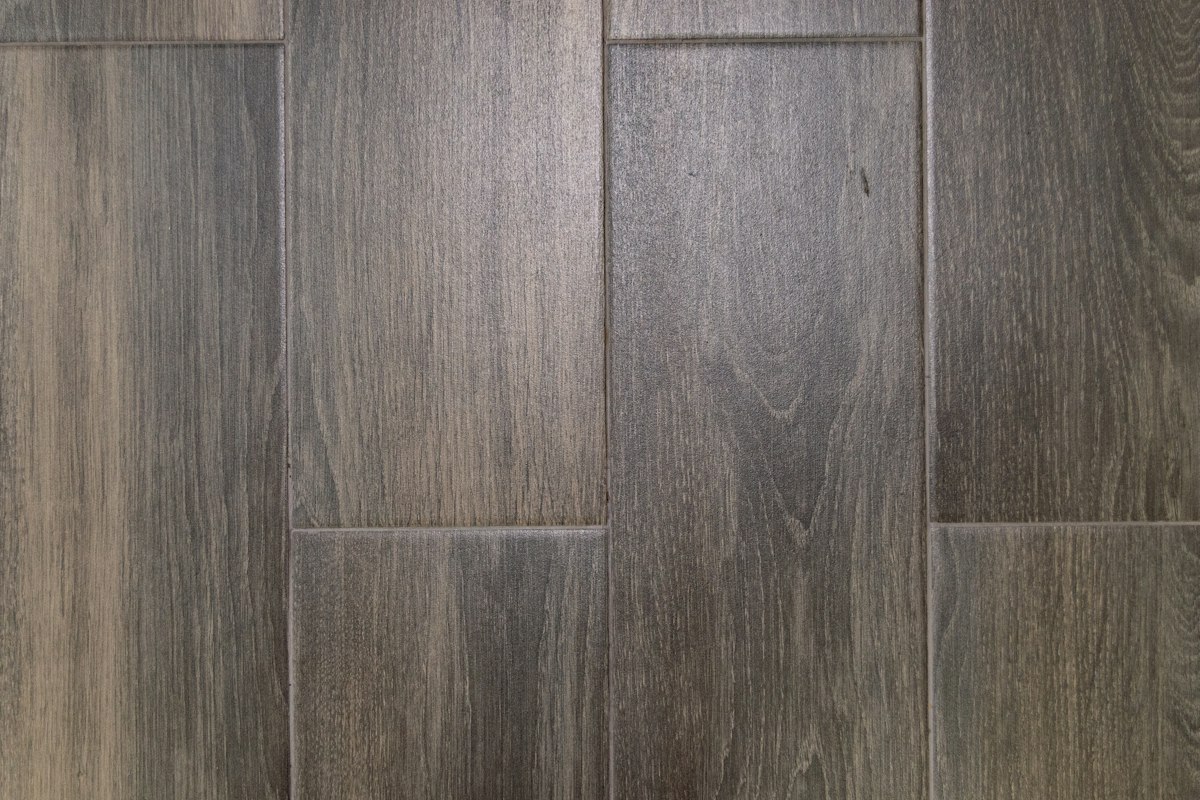
"Waterproof" Planks on a Damp Slab
A plank can be 100% waterproof and still be wrong for a basement, because the weak point is moisture vapor rising through the concrete under it. The fix happens before the order: test the slab, then match core and underlayment to the reading. Our guide to LVP over concrete slabs and vapor barriers explains the ASTM F-2170 probe test and the 75% RH threshold we work to.
LVP Thickness vs. Wear Layer: Don't Pay for the Wrong Millimeters
Total thickness is the number salespeople love to quote, and it tells you the least about wear. Standard LVP runs about 4-6mm. That depth affects feel and doorway height, which matters when installing over an existing floor, not surface life.
Paradigm's Performer spec sheet lists a 12 mil version and a 20 mil version at the same 5.3mm total thickness, each with an attached 1mm EVA pad.
When two planks are close in price, compare wear layer first, core second and thickness last.
Attached Pad vs. Separate Underlayment
Many rigid-core planks ship with a bonded pad, and that changes the rules. Our underlayment guide for LVP, laminate and hardwood is blunt: adding separate foam on top of pre-attached foam is the most common warranty-voiding mistake we see. Over a slab, the only extra layer permitted is a 6-mil poly vapor barrier.
If there's a pad, the underlayment decision is mostly made. If not, budget for the right underlayment separately, especially upstairs.
Plank Size Has to Match Your Subfloor
Long rigid planks bridge low spots instead of following them, which is where hollow sounds, bounce and stressed joints start. Floating floors need the subfloor flat to 3/16 inch over 10 feet; glue-down needs 1/8 inch over 6 feet. If the sheet lists a 9 x 60 inch plank or longer, plan on a flatness check and possibly floor leveling before the install.
Warranty Terms: Read the Exclusions Page
Most luxury vinyl carries 15-30 year residential warranties; the headline number matters least. What matters is what's covered (usually wear-through, not scratches or gloss loss), the proration and what voids it. Exclusions we see in manufacturer documents include steam cleaning, rubber-backed mats, unprotected furniture legs and indoor humidity outside the required range.
Some warranties scale with the wear layer, too. Paradigm's Performer care and warranty document lists a 20-year residential wear warranty at 12 mil and 30 years at 20 mil or higher.
How to Choose Luxury Vinyl Plank at the Showroom: Your Checklist
A brand-by-brand comparison is coming in a later post, so this list stays brand-neutral.
- Wear layer in mil (20 or more for main floors, kids and pets).
- Core type, and whether it's rated for your subfloor.
- Total thickness, and whether that figure includes the pad.
- Attached pad: yes or no, and what material.
- Plank size vs. your subfloor's flatness.
- Warranty term, proration and exclusions.
- Required install method and acclimation (we allow 48 hours for LVP).
Talk Through Your LVP Choice With Our Castle Rock Team
Bring your shortlist and we'll read the spec sheets with you, or see samples in your own lighting with our free shop-at-home service. Then contact our showroom and we'll match the plank to your rooms, your subfloor and your household.

Adam Clements
Owner, Colorado Carpet & Flooring
Adam Clements owns Colorado Carpet & Flooring, the family-owned Castle Rock flooring store that has served the Front Range since 2008 and completed more than 15,000 homes. His team's focus here: luxury vinyl selection and installation, including core and wear-layer specification, underlayment pairing and slab moisture testing. The crew is factory-trained and certified by Shaw, Mohawk and COREtec, licensed and insured, and every installation is backed by a 1-year labor warranty. Meet the team.